Print it from this page, or take the PDF. Both carry the same seven cards, the safety notes, the line that says who wrote this, and the licence.
4-7-8 breathing
In 4 · Hold 7 · Out 8
One breath 19 s · about 3 a minute
Use it for: Winding down before sleep. Four rounds, lying down, once or twice a day.
Careful: The seven-count hold: shorten or skip it if it strains. Not for a panic attack.
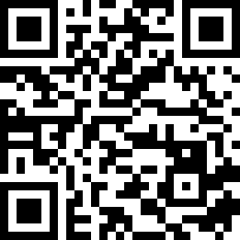 helpmebreath.com/4-7-8-breathing
Box breathing
In 4 · Hold 4 · Out 4 · Hold 4
One breath 16 s · about 4 a minute
Use it for: Steadying yourself before something: a meeting, an exam, a hard call. Two to five minutes.
Careful: Two holds a cycle. If you live with panic attacks, shorten the empty hold or use extended exhale.
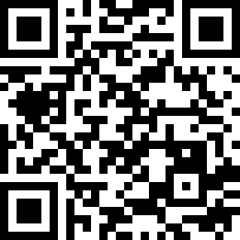 helpmebreath.com/box-breathing
Heart coherence
In 5 · Out 5
One breath 10 s · 6 a minute
Use it for: A long, even sit: five to twenty minutes. The pace most slow-breathing trials used.
Careful: Nothing is held. The gentlest pattern here; if 5-5 feels rushed, try 5 in and 6 out.
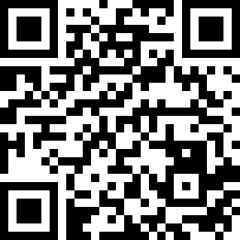 helpmebreath.com/heart-coherence-breathing
Cyclic sighing
In 2 · In 1 · Out 6
One breath 9 s · about 7 a minute
Use it for: A quick reset: one to five minutes. Two sips in through the nose, one long breath out through the mouth.
Careful: No holds. Keep the out-breath slow; stop if you feel light-headed.
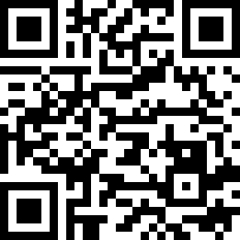 helpmebreath.com/cyclic-sighing
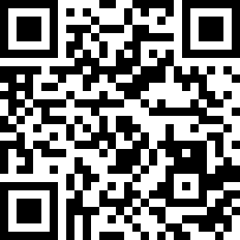
Extended exhale
In 4 · Out 6
One breath 10 s · 6 a minute
Use it for: When you are already tense, or before sleep without a hold. Three to ten minutes.
Careful: Nothing is held. The one to choose if holds make you anxious.
 helpmebreath.com/extended-exhale-breathing
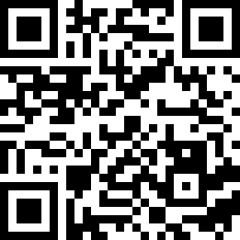
Triangle breathing
In 3 · Hold 3 · Out 3
One breath 9 s · about 7 a minute
Use it for: First-timers and classrooms. Trace a triangle with a finger, one side per phase. Six laps to start.
Careful: A three-second hold. Skip it for anyone prone to panic.
 helpmebreath.com/triangle-breathing
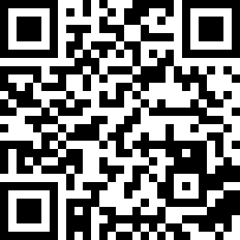
Energizing breath
In 2 · Out 1, fast
One breath 3 s · 20 a minute
Use it for: Waking up: one to two minutes, seated, then back to normal breathing.
Careful: Can make you faint. Never in water, standing or driving. Not if pregnant, prone to panic, or with a heart, blood pressure, seizure or breathing condition.
 helpmebreath.com/energizing-breath
Who these cards are for
Teachers who want one sheet on the wall rather than an app on thirty phones. School counsellors and university wellbeing services whose resource pages link to things that have gone dead. Librarians building a wellness guide. Yoga and pilates teachers who end a class with two minutes of breathing and are asked afterwards "what was that one called?". Clinics that would rather hand over a page than a brand. Anyone who has a friend who keeps asking which pattern to use.
The page prints on A4 or Letter in black and white without losing anything; the colour on screen is only a cue. The QR code on each card opens that pattern's guided timer in the browser, with the counts already set, a tone and a vibration at each turn, and no app to install. The first three timer sessions on a device need no account, and the two pages for anxious moments and panic attacks run for anyone forever; the cards do not depend on anybody buying anything.
What is on each card, and what is not
Each card has four things. The counts, written the way the timer says them: in, hold, out. How long one breath takes and roughly how many breaths that is a minute, because "slow" means something different for every pattern and the number is what you can check against a clock. One line on what the pattern is for, which is a judgment, written from the research on each pattern's page and from what people tell us they reach for. And one caution, the thing most likely to go wrong with that particular pattern.
What is deliberately not on the cards is a claim. None of them says a pattern treats anything. The evidence for slow breathing is real and modest: it lowers breathing rate and the arousal that goes with it for the minutes you do it, and in the longer trials, with daily practice, mood and stress measures improved. Each pattern's page quotes the study it rests on and says where the evidence stops; the cards point there rather than summarising it into something it is not.
How to use them with a group
- Pick one pattern for the room, not seven. For a class of children, triangle. For adults before something stressful, box. For a group that is already wound up, extended exhale, because nothing is held.
- Say the cautions out loud once, especially the hold, and give everyone permission to breathe normally at any point without explaining why.
- Run two minutes with the timer on a screen or a speaker; the QR code gets you there. Two minutes is enough to feel the difference and short enough that nobody dreads it.
- Leave the sheet where people can find it afterwards. The pattern they remember is the one they will use on their own.
If you adapt the cards, for a younger group, another language, or your own setting, the licence asks only that the credit stays. If you translate them, we would be glad to link to your version from this page; write to the address on the about page.